
The Habit of Creativity

Innovation Workshop 🚀
#articles
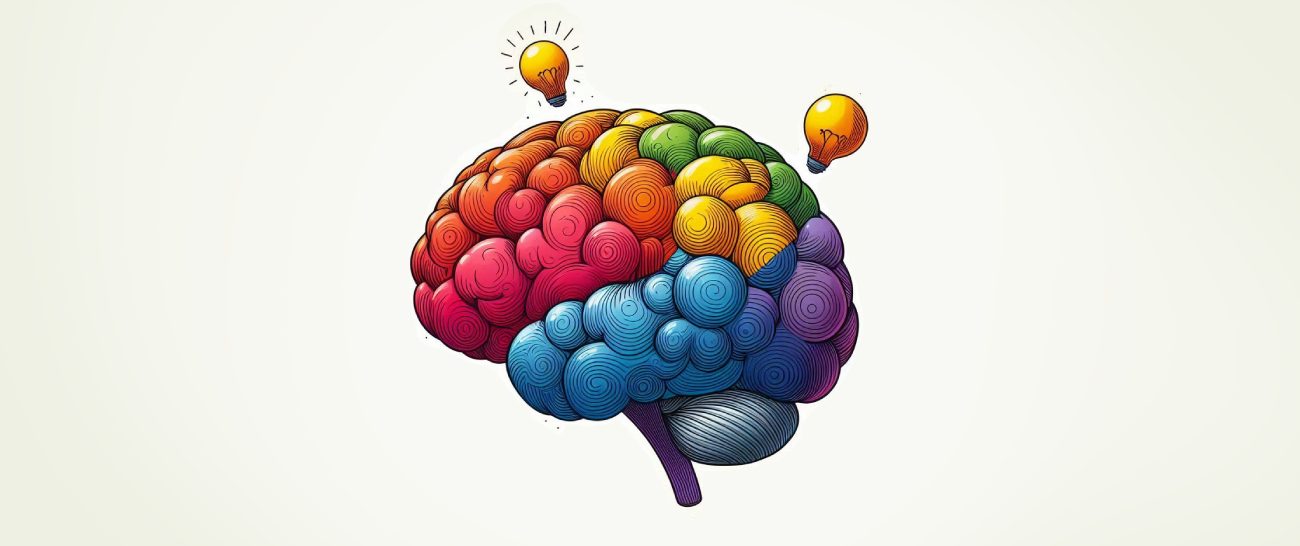
How many times have we heard that creativity comes at the most unexpected moment, that it's something sudden, fleeting, like a spark in the night, impossible to catch? But then, how do we rely on creativity for daily work? How can we confidently commit to solving problems that inevitably require creative solutions? What if we could exercise that ability to be able to rely on it consistently?
Finding New Patterns
Why do we need creativity? Edward De Bono, author of Six Thinking Hats, who coined the concept of "lateral thinking," summarizes it like this: “We need creativity to break the structures that have been established by a particular sequence.”
In a way, all his exercises propose introducing elements outside of evident logic and then trying to connect them into a possible solution. For example: if the problem suggests "making a list of five letters, starting with the letters a, b, and c," the first solution that comes to mind is “a, b, c, d, and e” because the proposal seems to follow alphabetical order, so we attempt to stick to that structure. However, "a, b, c, x, and z" also fulfills the premise, as does “a, b, c, ε, and я.” These solutions are more unusual or creative because they "create" a different pattern. It’s not necessarily a superior solution, just as creativity isn't always superior.
Some techniques De Bono proposes include the famous brainstorming or the “hats” or roles to force a person to view the problem from another perspective. One hat makes the wearer provide only data, while another hat forces the wearer to communicate only feelings or intuition. In my opinion, this technique is too theatrical or performative to be practical.
 |
|---|
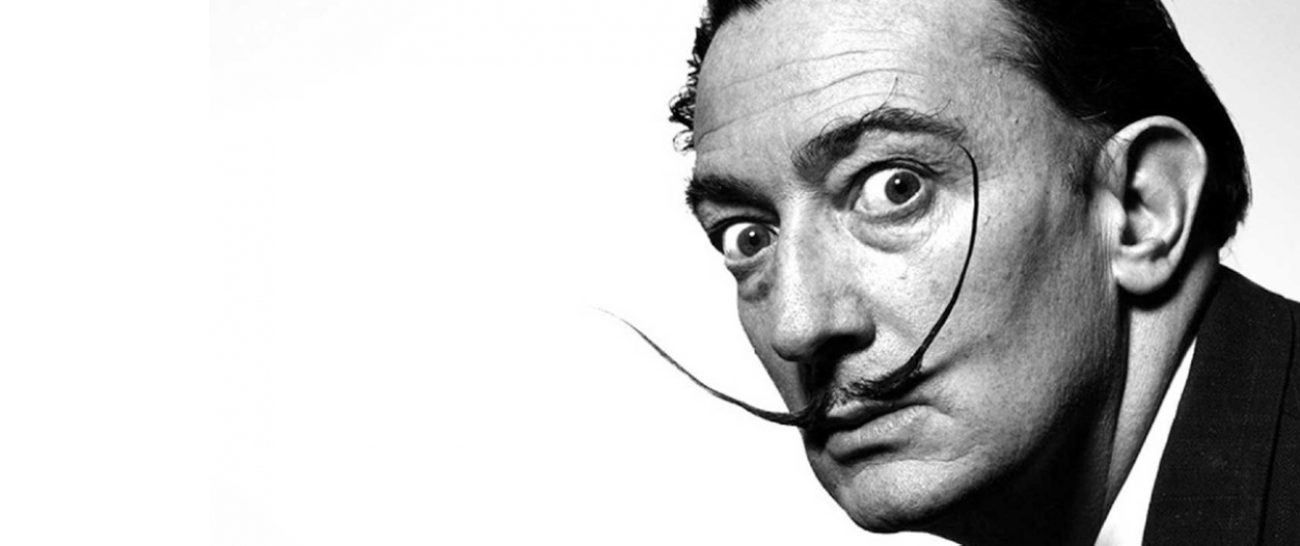
| It's better to have many ideas, even if some are wrong, than to always be right by having no ideas – Edward De Bono |
Another technique, which is the most controversial (and in my opinion the one that gives the best results), is called Po and consists of launching a provocative and generally absurd statement. For example, to find a creative solution to the problem “avoiding getting my feet wet when it rains,” the Po could be “boots are worn on the hands.” That idea won’t be used in the final solution proposal, but it can be analyzed for inspiration to generate new ideas. What characteristic would wearing boots on the hands have? I wouldn’t be able to open the door, so I’d have to stay indoors; I could use gloves on my feet in a type of footwear that separates the toes; I wouldn’t leave footprints; I could walk on the ceiling; my boots would be more noticeable; I’d get mud on the desk; I could go barefoot, etc. This series of completely adjacent ideas would be inserted into the set of possible solutions, just as ε and я were inserted in the first example, and creativity would determine how to link them to form a structure, eventually leading to an unusual solution.
This separates the process into two parts: first, introducing unexpected elements and then trying to connect them to something rational and useful. The main criticism of this way of understanding creativity is that it generates too many random elements, like trying to hit a target with a machine gun instead of a precision rifle.
What is admirable about De Bono’s techniques is the emphasis on not judging ideas in the first stage, not only because variety is more valuable than quality but also because it creates an environment where creative ideas are welcome. This is where we begin to find the heart of the habit of creativity.
Apophenia: Seeing What Others Don’t See
Apophenia is finding patterns where others can’t see them, often confused with pareidolia, which is when familiar shapes are perceived in random things, like seeing a face in a cloud. The difference is that pareidolia is a confusion, the pattern isn’t really there. Apophenia is a real discovery, while pareidolia is an illusion.
 |
|---|
| The human brain has a great ability to imagine gestures and emotions with just a few details arranged to look like a face. |
Serendipity: More Than Just Luck
We’ve all experienced this: looking for something and suddenly finding something incredible that we didn’t even know we needed. This is called serendipity, those moments when discovery happens by accident. They’re great, but you can’t rely on them alone to be creative. Serendipitous moments are the exception, not the rule.
The Black Box Effect
Creativity often feels like a "black box effect." We know it's there, it works, ideas appear, but we don’t understand how. We see the results, but not the process. For many, it’s as if ideas come from nowhere. But the truth is, with the right habit, we can open that black box and train the brain to generate ideas more frequently.
Can the Habit of Being Creative Be Developed?
Absolutely. Like any other habit, creativity can be practiced. Many people think that great inspiration is needed to be creative, but in reality, the best ideas often arise from constant effort. It’s important to remove obstacles that block the flow of new ideas. As we know from brainstorming, no idea can be judged at the moment; simply write it down and move on. This open-minded attitude is essential and exercises the muscle of creativity.
Working with people who think differently, who dare to experiment and break from the norm, helps stimulate creative thinking. In the end, creativity is as much the product of a curious mind as it is of an environment that fosters those ideas.
Being Around Creative People Will Make You More Creative
Being consistently creative isn’t easy, but it’s possible. As Edward De Bono said, being creative involves learning to break away from the established and see the world in new ways. Creativity isn’t just about inspiration; it’s also the result of practicing certain routines and habits.
So, if you want to be more creative, an excellent strategy is to surround yourself with people who already are. As James Clear says, the environment has a huge impact on developing any habit. Surrounding yourself with creative minds will, almost without realizing it, make you start seeing the world with new eyes and generating your own ideas.